
Where it comes from
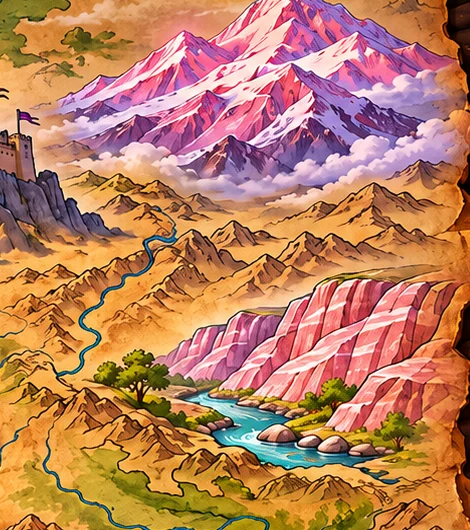
Our salt comes from the Salt Range, a line of low hills in the north of Punjab, Pakistan, between the Indus and the Jhelum rivers. The hills sit on the southern edge of the Potohar Plateau. Geologists count them as the youngest, most southern part of the western Himalayan ranges. That is where the name "Himalayan salt" comes from.
The best-known mine in the Range is Khewra, in Jhelum District. These are the hills where, in the legend, Alexander's horses found the salt; Our Story sets that legend beside the history. PLACEHOLDER: confirm our salt is from the Khewra mine. If it comes from another Salt Range mine (for example Warcha or a private lease), say so here and adjust the page.
Khewra at a glance
- Often called the world's second-largest salt mine.
- About 160 km from both Islamabad and Lahore.
- 19 levels, 11 of them underground.
- About 40 km of tunnels, reaching about 730 m into the mountain.
- Reserves estimated at between 82 million and more than 600 million tonnes. Nobody knows exactly. It is a lot of salt.
- About 350,000 tonnes mined a year.
- 18 to 20 °C inside, summer and winter.
- Run by the Pakistan Mineral Development Corporation (PMDC) since 1974.
- About 250,000 visitors a year come to see the salt-brick mosque, the salt bridge and the glowing chambers.
Other names
In Pakistan the same salt is sold as lahori namak, gulabi namak ("pink salt") or sendha namak, the old name for rock salt. Abroad it is usually Himalayan salt, Himalayan rock salt or simply pink salt.
How it formed
Around 600 million years ago, a shallow sea covered this part of the world. Over a very long time it dried out, again and again, leaving thick layers of salt behind.
Mud, sand and rock buried those layers and pressed them hard. Much later, when India pushed into Asia and the great mountains rose, the old salt beds were folded and pushed up to the surface. Today they lie in seams of white, pink and deep red inside the hills.
That means the salt in your grinder is far older than the Himalaya themselves. It was sealed under rock long before there were any plastics, or factories, or cities. [Note for editors: do not claim "free from all pollutants". Point to the lab analysis instead.]
How it's mined
Khewra is a room-and-pillar mine. Miners cut great rooms into the salt and leave about half of it standing as pillars to hold the mountain up. Some of these chambers are as tall as a church.
The work is much as it was when the British laid out the mine in 1872:
- Drill. Miners drill short holes into the salt face with hand-held drills.
- Blast. A small, low-powered charge loosens the salt.
- Dig and load. The blocks are broken up, dug out and loaded by hand.
- Haul. A narrow-gauge railway, laid in British times, carries the salt out of the mountain.
How we sort and grade it
PLACEHOLDER: confirm each step and who does it, and where. Below is the typical process; edit to match ours.
- Hand-picking. At the surface, the salt is sorted by hand. Pieces with too much clay or rock are set aside. Clean pink rock goes on.
- Crushing. The rock is crushed in stages.
- Screening. Sieves separate it into grades by grain size.
- Checking. Magnets and a metal detector check for metal; samples are checked for colour, grain size and foreign matter. PLACEHOLDER: confirm equipment.
- Testing. Each PLACEHOLDER: lot / season / year is tested by PLACEHOLDER: lab name and accreditation.
- Packing. Packed and sealed at PLACEHOLDER: packing facility, city, with a lot code on every pack.
The grades
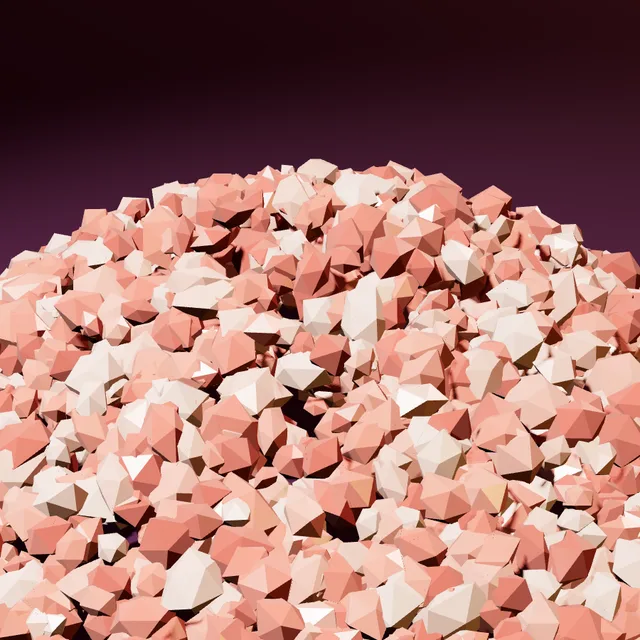
| Grade | Grain size | Best for |
|---|---|---|
| Extra fine (powder) | PLACEHOLDER: e.g. under 0.5 mm | Baking, rubs, popcorn, seasoning blends, anywhere salt needs to melt fast. |
| Fine | PLACEHOLDER: e.g. 0.5 to 1 mm | Everyday cooking and the salt shaker. |
| Coarse | PLACEHOLDER: e.g. 2 to 5 mm | Grinders, brines, pasta water, salt crusts, finishing a steak. |
| Chunks | PLACEHOLDER: e.g. 1 to 3 cm | Grating at the table, or as lick salt for animals PLACEHOLDER: only if sold as such. |
| Cooking slabs | PLACEHOLDER: e.g. 20 × 20 × 2.5 cm | Searing, chilling and serving. |
| Salt lamps | PLACEHOLDER: e.g. 2 to 3 kg | Warm, soft light. Decorative. |
Shops, restaurants and importers can stock the full range.
Cooking slabs
Heat it slowly, over about 30 to 45 minutes, and it becomes a hot stone for searing prawns, thin steak or vegetables. Chill it in the fridge and it is a cold plate for cheese, fruit or sashimi. Food picks up a light, even saltiness where it touches the slab.
Care: let it heat and cool slowly. Don't soak it or put it in the dishwasher. Wipe it with a damp cloth and let it dry. Cracks and colour changes are normal over time. PLACEHOLDER: confirm care guidance with supplier.
Salt lamps
A block of salt, hollowed out, with a small bulb inside. They give a warm pink light that is lovely in a dark room.
We sell them as lamps, not as health products. Keep them dry, wipe off any moisture, and keep them away from pets: animals can be poisoned by licking salt. PLACEHOLDER: confirm the electrical parts are certified for each market, e.g. UL in the US, CE and UKCA in Europe and the UK.
What's in it
It is mostly salt.
Lab studies of Khewra salt find it is about 96 to 99% sodium chloride. The rest is small amounts of other minerals, such as calcium, magnesium, potassium, iron and sulfates. Traces of iron are usually credited with the pink.
Those trace minerals are why it looks and tastes the way it does. They are not there in amounts that make a real difference to your diet. You would have to eat far too much salt for that.
Our latest lab analysis: PLACEHOLDER: link to current certificate of analysis, lab name, date. How we test each lot is set out on our Quality & Certifications page.
A few honest notes
- Sodium. Gram for gram, pink salt has about the same sodium as any other salt. Use it the way you would use any salt.
- Iodine. Our salt is not iodised, so it is not a meaningful source of iodine. If you rely on salt for iodine, keep some iodised salt in the cupboard as well (more in our FAQ). PLACEHOLDER: if an iodised version is offered, mention it here.
- Nothing added. No anti-caking agents, no colour, no bleaching. PLACEHOLDER: confirm per product. Fine grades can clump in damp weather. A few grains of rice in the shaker helps.
- Health. We don't claim our salt cures, treats or prevents anything. We think it's a beautiful, honest salt with a good story. That's enough.
Uses
- At the table. Coarse in a grinder, or a pinch of fine between your fingers.
- In the kitchen. Anywhere you use salt: soups, sauces, pasta water, roasting.
- Finishing. A few coarse crystals on chocolate, caramel, tomatoes, eggs or a steak, just before serving.
- Baking. Extra fine dissolves quickly in doughs and batters.
- Brining and curing. Coarse grades dissolve cleanly into brines.
- Serving. A chilled slab makes a cheese or fruit board people talk about.
- In the bath. Coarse salt dissolves well in warm water. PLACEHOLDER: only if a bath product is sold; describe it as a bath salt, with no therapeutic claims.
Six hundred million years in the making. One pinch at a time.