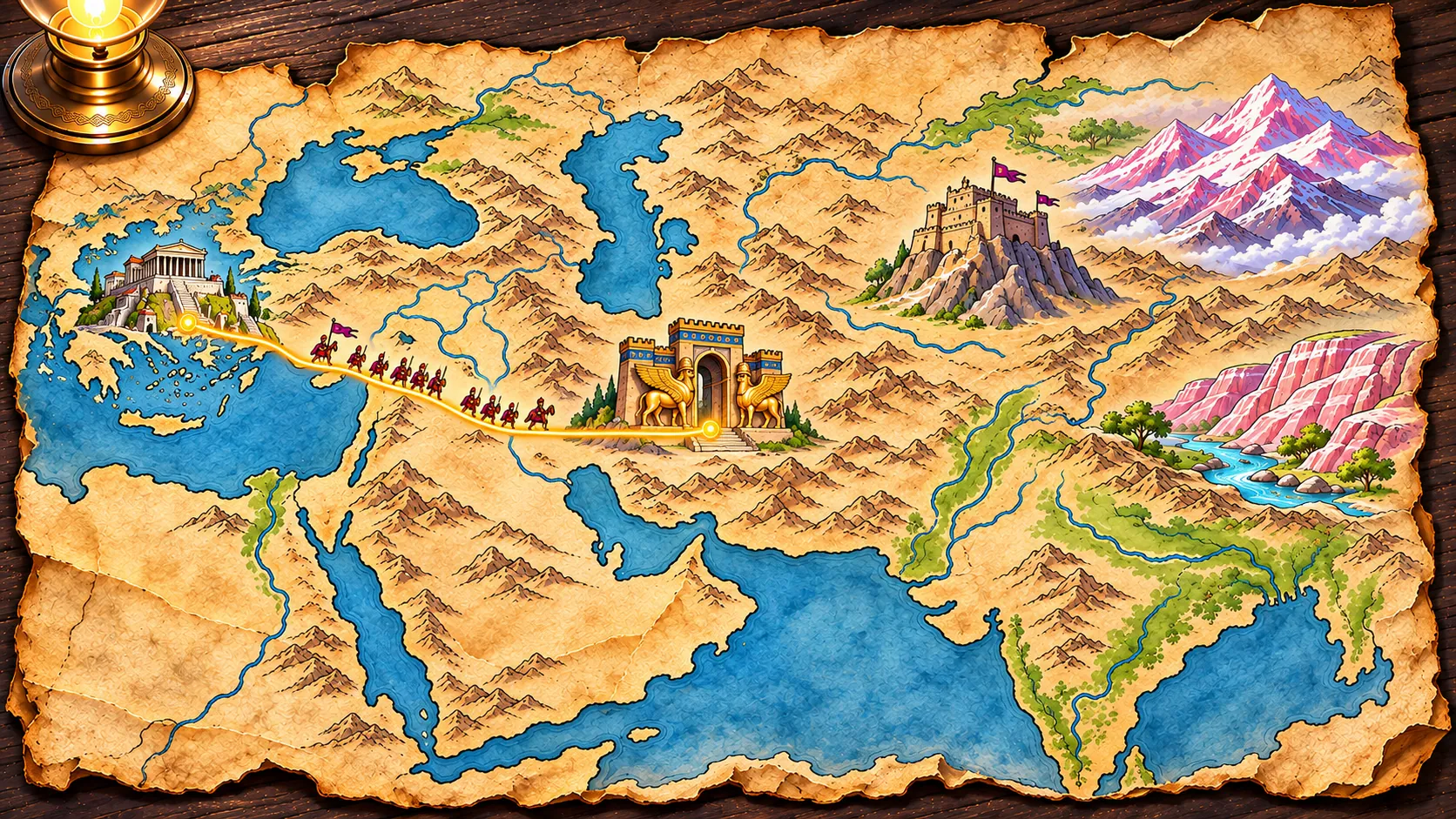
Almost all the Himalayan pink salt sold in the world comes from one small region: the Salt Range in Punjab, Pakistan. That makes buying it in bulk simpler in one way, because you know where it has to come from. It makes it harder in another, because hundreds of exporters, traders and re-packers sell salt from the same hills, and their quality, paperwork and honesty vary widely.
This guide is for importers, distributors, grocers and online sellers, mainly in the US, who are thinking about buying pink salt from Pakistan. It covers what to decide before you ask for prices, which documents matter, and the questions that separate a reliable supplier from a risky one. It's general guidance, not legal advice. Rules change, so check the details with your customs broker or compliance adviser.
Decide what you're buying
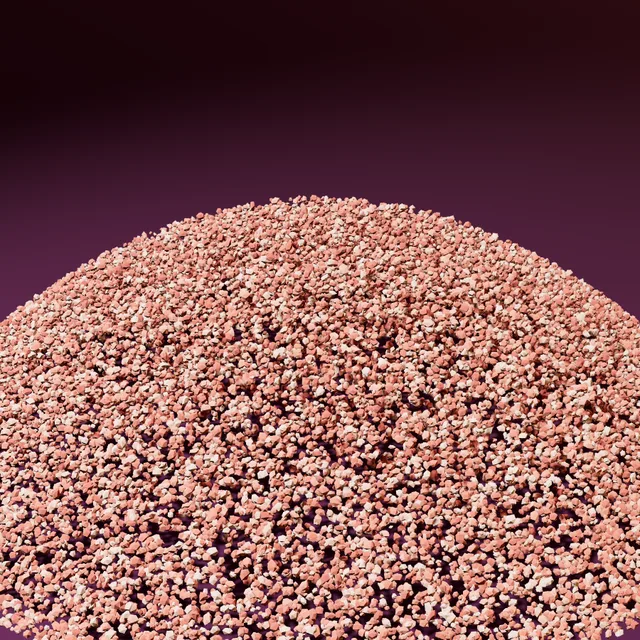
Grades. Pink salt is sold in a range of grain sizes: coarse crystals (roughly 2–5 mm) for grinders and brines, fine (about 0.5–1 mm) for everyday cooking, extra fine powder for baking and blends, plus chunks, cooking slabs and bigger pieces. Each grade should have a stated size range. Our article on choosing a grade explains what each is for, which helps when you plan a shelf.
Formats. Retail packs (pouches, jars, grinders and refills), catering packs for kitchens, and bulk bags for re-packers. Mixed containers are common: a few pallets of each retail pack plus some bulk.
Brand. Some suppliers will pack under your label; others, like us, sell only under their own name. Decide which model you want before you start, because it changes everything from minimum orders to who is responsible for the label.
Ask about origin and the factory
The most useful question you can ask is a simple one: where exactly is the salt mined, and where is it packed?
Good answers name a mine in the Salt Range, such as Khewra, and a packing facility the supplier owns or controls, with an address you can check. Vague answers ("from the Himalayas", "from our partners") are a sign that the seller is a trader rather than a producer. That's not always a problem, but it means one more link in the chain that you can't see.
If you can, visit, or ask for a live video walk-through of the sorting, crushing, screening and packing lines. A producer who is proud of the factory will be glad to show you. We describe how salt gets from the mine to the bag in The Khewra Salt Mine.
Documents to ask for
For each order, expect most of these:
- Certificate of analysis (COA) from an independent, accredited lab: sodium chloride content, moisture, insoluble matter, and heavy metals such as lead, arsenic, cadmium and mercury. Ask how often the supplier tests, and whether the COA matches your lot.
- Product specification sheet for each grade: particle size range, colour range, packaging, shelf life and storage.
- Certificate of origin, usually issued through a Pakistani chamber of commerce.
- Commercial invoice, packing list and bill of lading.
- Food-safety certifications held by the packing facility, if your customers require them (for example a HACCP-based system or a GFSI-recognised scheme), and halal or kosher certificates if relevant to your market.
Ask to see certificates, not just logos on a website. A certificate has a number, an issuing body, a scope and an expiry date. You can usually verify it with the body that issued it. Our own approach is set out on Quality and certifications.
Importing into the United States
The FDA does not approve individual food products or importers before they arrive, but there are rules you must follow. The FDA's own overview, Importing Food Products into the United States, is the best place to start. In short:
- Food facility registration. The factory in Pakistan that packs the salt must be registered with the FDA under the Bioterrorism Act. Ask your supplier for their registration number and check it before you order.
- Prior Notice. Each food shipment must be notified to the FDA before it arrives. For ocean freight that's at least eight hours before arrival. Your customs broker normally files it.
- FSVP. Under the Foreign Supplier Verification Program, the US importer of record must verify that foreign suppliers meet US food-safety standards. Keep the supplier's COAs, certifications and your own assessment on file.
- Labelling. Retail packs need US-style labels: the product name, net weight in both US and metric units, the ingredient list, a Nutrition Facts panel, the name and address of the packer or distributor, and the country of origin ("Product of Pakistan"). Salt that isn't iodised and is sold as table salt is generally expected to say so. Have a US labelling specialist review your artwork.
Read the facility registration rules on the FDA's registration page if you plan to re-pack in the US yourself, since your own facility may need to register too.
Pakistan's side of the shipment
Salt is classified under HS code 2501 for customs purposes. Exporters in Pakistan handle their own export formalities, and most ship from Karachi or Port Qasim. Prices are usually quoted FOB (you arrange the sea freight) or CIF (the supplier does). Salt is heavy for its volume, so a 20-foot container usually reaches its weight limit long before it's full. Plan your pallet mix with that in mind.
Packing for the voyage
Salt absorbs moisture. A container crossing the Arabian Sea and the Atlantic in summer can arrive with clumped fine salt and damp cartons if the packing is poor.
Ask about moisture barriers in the packaging, container liners or desiccant strips, and how the supplier dries the salt before packing. Fine and extra fine grades are the most sensitive, especially if no anti-caking agent is used. Cooking slabs and chunks need padding to avoid chips and cracks.
Questions to ask any supplier
- Which mine does the salt come from, and do you have a document that shows it?
- Do you own the packing factory? Can we see it, in person or on video?
- Can you send a recent independent COA and a sample of the exact grade?
- What is your FDA food facility registration number?
- What are your grade specifications, and what tolerance do you allow?
- How do you trace a pack back to its batch?
- What are your minimum order, lead time and payment terms?
- How do you pack against moisture?
How a supplier answers matters as much as what they answer. Clear, quick, specific replies are a good sign. If a supplier is happy to tell you about miracle health benefits but slow to send a lab report, keep looking. Our guide on spotting real Himalayan salt has more checks you can run on samples.
Working with us
We sell Alexander's under our own name only, packed in our own factory, to shops, grocers, distributors and kitchens in the USA, Pakistan and further afield. If you'd like samples, a specification sheet or a quote, see Stock Alexander's, or tell us about your business on Work With Us.