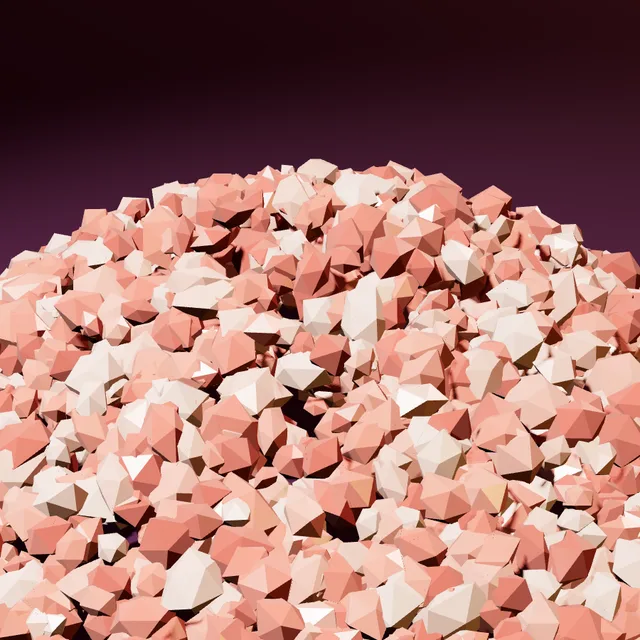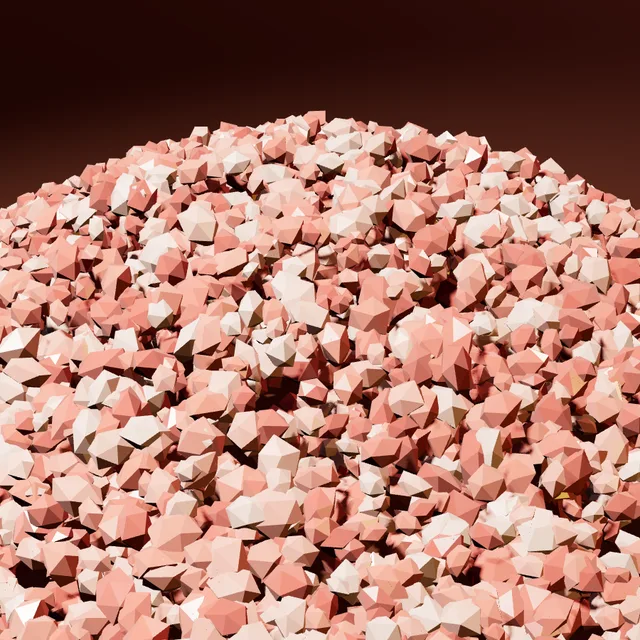
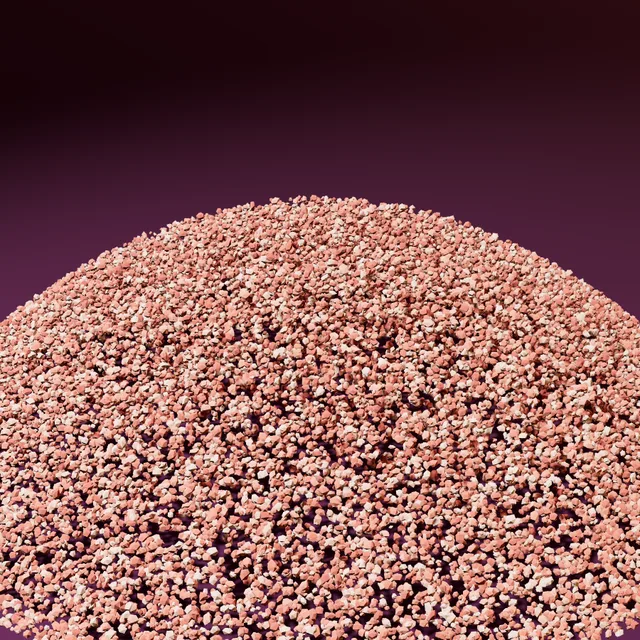
All pink salt from the Salt Range starts as the same rock. What changes from one pack to the next is how finely it has been crushed and screened. That sounds like a small detail, but grain size decides how fast the salt dissolves, how evenly it spreads, how much fits in a spoon and whether it crunches. Pick the wrong grade and a recipe can go noticeably too salty, or not salty enough.
Here is how we think about the grades, and which one we reach for in our own kitchens.
How grades are made
After the rock comes out of the mine and is sorted by hand, it is crushed in stages and passed over a series of screens, each with a smaller mesh. What stays on the top screen is coarse; what falls through the finest mesh is powder. Our own grades are listed with their sizes in the range, and The Salt page has the full table, including chunks and cooking slabs.
Grain size is only about size. A coarse crystal and a pinch of powder taste the same once they dissolve. Colour can vary a little between grades, because fine powder scatters light and tends to look paler.
Coarse crystals: the all-rounder
Coarse crystals, roughly the size of a lentil or a little smaller, are the grade we'd keep if we could keep only one.
- In a grinder. This is what grinders are made for. You control the size at the table. Our grinder guide explains why grain size matters to the mechanism.
- In water. Pasta water, potatoes for aloo chaat, boiled eggs and brines. Coarse salt dissolves cleanly once the water is moving, and it's easy to measure by the palmful.
- On a roasting tray. Scattered over potatoes or a whole fish before roasting, coarse grains stay put and give a light crust.
- As a finish. A few unground crystals on a fried egg, sliced tomatoes, a buttered corn cob or chocolate mousse give little bursts of salt and crunch.
Where coarse doesn't work: in a cake batter or a smooth sauce made in a hurry, where grains might not dissolve in time.
Fine: the everyday grade
Fine salt behaves much like ordinary table salt. It flows from a shaker, dissolves in seconds and spreads evenly. This is the grade for the salt dabba by the stove: a pinch into dal as it simmers, into the onions for a karahi, into raita or a lassi, into minced meat for kebabs.
If you're cooking from an American recipe that just says "salt", it almost always means fine table salt, and fine pink salt is the closest swap.
One small thing to know. We don't add anti-caking agents, so in a humid Karachi summer or a steamy kitchen, fine salt can clump. Store it with the lid on, and drop a few grains of dry rice into the shaker if it's stubborn.
Extra fine: for baking and blends
Extra fine powder dissolves almost instantly and coats evenly, which makes it the baker's grade. Use it in bread dough, cookies, shortbread, pie pastry and caramel, where any undissolved grain would be noticed.
It's also the grade for:
- Popcorn and chips, where it clings to the surface instead of bouncing off.
- Spice rubs and masala blends, where it mixes evenly with ground chilli, cumin and coriander.
- Chaat and fruit, a dusting over cut guava or mango with a squeeze of lime.
- Rimming a glass for a nimbu pani or a margarita.
Be careful measuring powder by volume. It packs tightly, so a teaspoon holds more salt than a teaspoon of fine and much more than coarse.
Chunks and slabs
Salt chunks are rough rocks, a couple of centimetres across or more. In the kitchen they can be grated over food with a fine Microplane, dropped whole into a pot of stock (fish them out before serving), or kept in a bowl on the table. They are also what many people use to refill large grinders after crushing.
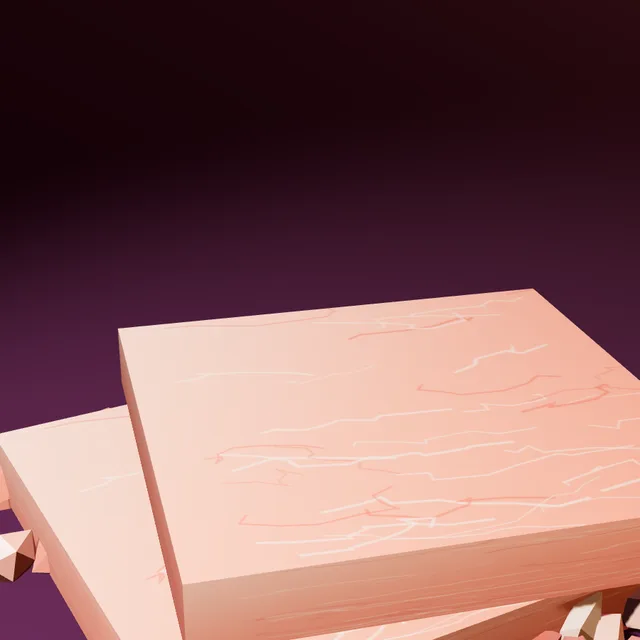
Cooking slabs are polished blocks of solid salt. Heated slowly they sear thin food; chilled, they make a serving plate. They need their own care, which we cover in How to cook on a Himalayan salt block.
Measuring: why grams beat spoons
Because grains pack differently, a level teaspoon of each grade weighs a different amount. As a rough guide, fine salt weighs around 6 g per teaspoon, and coarse crystals noticeably less. The exact numbers vary with the crystal shape and how you fill the spoon, which is the point: spoons are unreliable for salt.
If a recipe gives salt in grams, weigh it. If it gives spoons, check which kind of salt the writer used. Many American recipes are written for kosher salt, which is lighter by volume than fine salt, so swapping in fine pink salt spoon for spoon will make the dish saltier. Start with about two thirds of the amount and taste.
For a quick comparison of how pink salt stacks up against other salts, see Pink salt vs sea salt vs table salt.
Our short answer
If you're setting up a kitchen from scratch, buy coarse for a grinder and fine for the stove. Add extra fine if you bake a lot. Everything else is a pleasure rather than a necessity.