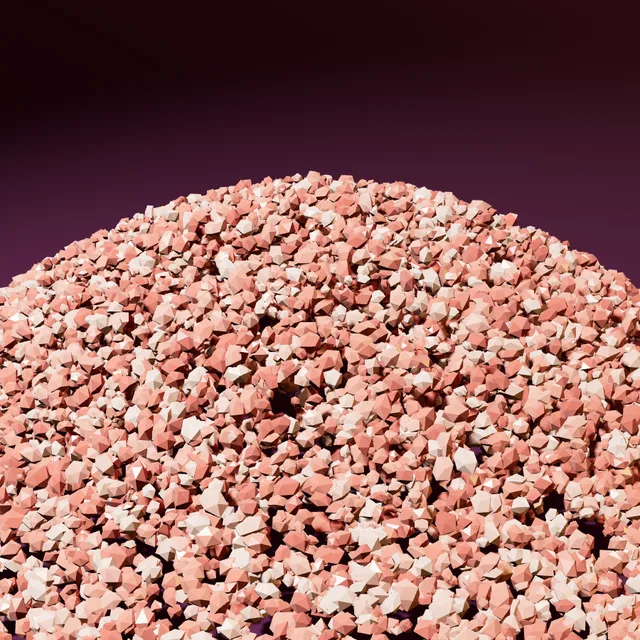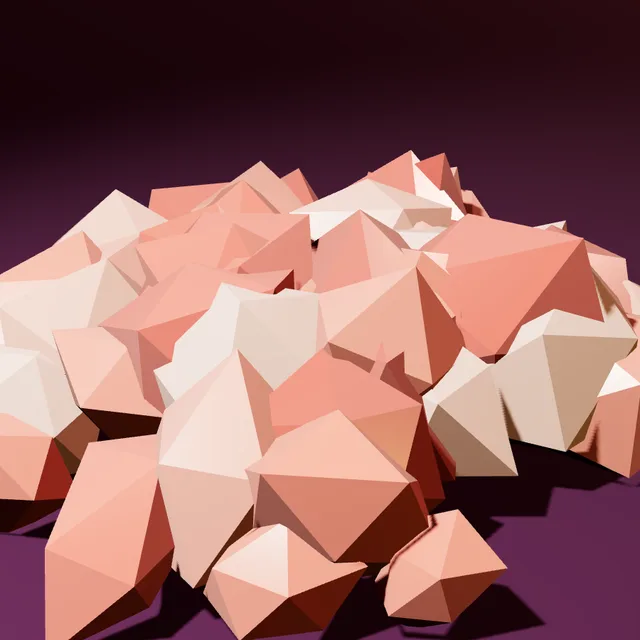
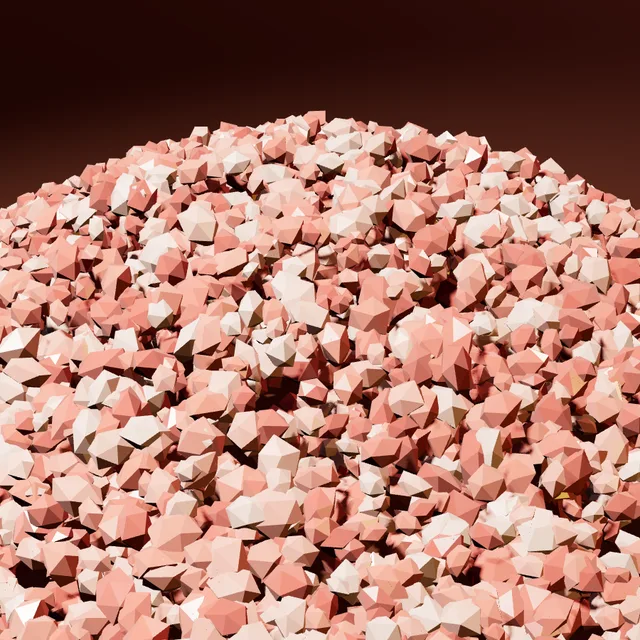
Walk down the salt aisle in an American supermarket, or past the spice stalls in Lahore's Akbari Mandi, and you'll find three kinds of salt doing most of the work. Fine white table salt in a round canister. Sea salt, in flakes or grey crystals. And pink salt, which most people know as Himalayan salt and many Pakistani families still call lahori namak.
People ask us which one is best. The honest answer is that they are far more alike than the price tags suggest. All three are mostly sodium chloride. The differences that matter are where the salt comes from, how it's processed, whether iodine has been added, and how the grains behave in your food.
Where each one comes from
Table salt usually starts as rock salt mined underground, or as brine pumped up from salt deposits. It is purified, dried and ground into small, even cubes. Most brands add an anti-caking agent so it pours in humid weather, and many add iodine.
Sea salt comes from evaporating seawater, in shallow ponds under the sun or in heated pans. The process leaves some of the sea's other minerals behind with the salt, which is why some sea salts are grey or a little damp. Flaky salts like the pyramid-shaped crystals from Essex or Cyprus are grown slowly in pans.
Himalayan pink salt is rock salt from the Salt Range in Punjab, Pakistan. It was laid down when an ancient sea dried out, roughly 600 million years ago, and it has been sealed in the hills ever since. The best-known source is the Khewra mine, where it is cut from the rock, then sorted, crushed and screened into grades. Ours is packed in our own factory. You can read the whole chain on The Salt page.
So, in a sense, pink salt and sea salt are both sea salt. One is fresh from today's ocean. The other is from an ocean that dried up long before the dinosaurs, and long before the Himalaya rose.
What's actually in them
Here is the part the marketing usually skips. By weight, all three are overwhelmingly one compound.
| Sodium chloride | Other minerals | Iodine | Additives | |
|---|---|---|---|---|
| Table salt | Usually over 99% | Very little | Often added | Often an anti-caking agent |
| Sea salt | Roughly 94–99% | Some magnesium, calcium, potassium | Usually none | Usually none |
| Himalayan pink salt | About 96–99% | Traces of calcium, magnesium, potassium, iron | None, unless iodised | Ours has none |
The "84 minerals" figure you may have seen on pink salt packets is not something we repeat. Many of those elements are present at levels so low that a lab can barely find them.
The most useful study we know of looked at 31 pink salts sold in Australia. The researchers found that pink salt did carry more calcium, iron, magnesium and potassium than white table salt. They also worked out that you would need to eat more than 30 grams of pink salt a day to get a meaningful amount of those nutrients. That's about six teaspoons, which would put your sodium far beyond any sensible limit. Their conclusion was that the minerals don't matter for health. We agree.
Sodium: closer than you think
Pink salt is sometimes sold as "lower sodium". Gram for gram, the difference is small. The same Australian study measured pink salt at a little under 40% sodium, against just over 42% for the table salt they compared it with.
The difference you will actually notice comes from the spoon. Fine table salt grains are small and regular, so they pack tightly. A teaspoon of fine table salt weighs around 6 grams. A teaspoon of coarse pink crystals holds less salt because there's more air between the grains. If you switch from fine to coarse and keep using the same spoonful, your food will taste less salty. That's the grain, not the salt being "lighter".
For a sense of scale, the US Food and Drug Administration puts the daily value for sodium at less than 2,300 mg, about one teaspoon of table salt. The World Health Organization suggests less than 5 grams of salt a day. Most of the salt people eat comes from bread, sauces and packaged food, not the shaker.
Iodine is the real difference
If there is one thing on the list that can matter for your health, it's iodine. Many table salts in the US are iodised, and about four in five households in Pakistan use iodised salt, according to the 2018 National Nutrition Survey. Adding iodine to salt has been the simplest way to prevent deficiency for about a hundred years.
Pink salt is not a meaningful source of iodine unless the pack says "iodised". Neither are most sea salts or kosher salts. If you've switched your whole kitchen to pink salt, make sure iodine is coming from somewhere else. We go into this properly in Is Himalayan salt iodised?
Taste, texture and colour
This is where the three really part ways, and where your own preference should decide.
Table salt is sharp and quick. It dissolves fast and evenly, which makes it good for baking and for anything you measure by the spoon.
Sea salt varies the most. Flaky salt shatters on the tongue and is wasted in a pot of soup. Grey, moist sea salt has a briny depth that suits fish and vegetables.
Pink salt tastes clean and fairly round. The coarse grade gives a satisfying crunch when you scatter it on a fried egg or sliced tomatoes. Ground fine, it behaves much like table salt in a recipe. The colour comes from traces of iron-bearing minerals, which we explain in Why is Himalayan salt pink?. It doesn't tint your food, but it looks lovely in a glass jar and on a plate.
So which should you buy?
Buy the salt you enjoy cooking with, and use it with a light hand.
If you're cooking in the US or Pakistan and you want one salt that does almost everything, coarse pink salt in a grinder plus a jar of fine pink salt for baking will cover most of what happens in a home kitchen. We wrote a guide to which grade suits which dish if you want to go further.
If iodine matters in your household, keep an iodised salt too, or pick an iodised pink salt if you can find one. If someone in the family has been told to cut down on sodium, pink salt is not a way round that advice. It is still salt.
What pink salt does offer is a clear origin. Good pink salt comes from one place, the Salt Range of Pakistan, and a good pack will tell you that. We like knowing that the salt on our table was cut from the same hills our name comes from.
This article is for general information and isn't medical advice.