Pure salt has no colour at all. A perfect crystal of sodium chloride is as clear as glass, and a heap of them looks white for the same reason snow does: light scatters off all the tiny surfaces. So when a seam of salt in the hills of Punjab glows pink, something else is in there.
That something is a small amount of other minerals, caught up in the salt when it formed. They're what make each piece of pink salt look a little different from the next.
Where the colour comes from
The Salt Range salt was laid down about 600 million years ago, when a shallow sea dried out again and again. Seawater carries more than just sodium chloride. As it evaporated, other minerals settled out with the salt: calcium and magnesium sulfates, potassium salts, and fine red dust and mud washed in from the land around.
Iron oxide, the same compound that makes rust red and gives terracotta its colour, is the usual explanation for the pink. Tiny specks and films of it, scattered through or between the salt crystals, tint the whole crystal. A little gives a pale blush. More gives salmon, orange or brick red.
Wikipedia's entry on Himalayan salt sums up the composition well: mostly sodium chloride, with small amounts of calcium, iron, zinc, chromium, magnesium and sulfates.
Why some pieces are white and some are red
Walk through the Khewra mine and you'll see the colours in bands across the walls. Pale, almost transparent salt sits next to rose pink and dark red, with thin grey lines of clay in between. Each band is a different moment in the life of that ancient sea, when more or less dust and mineral was being washed in.
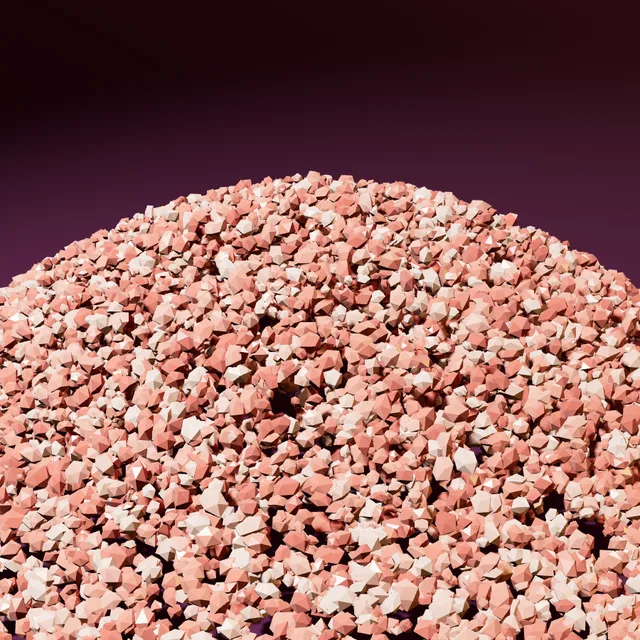
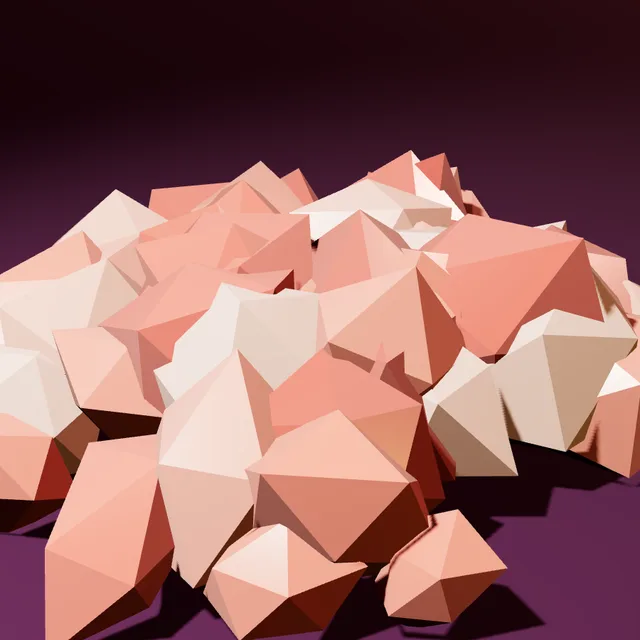
That's why a jar of natural pink salt is never one even colour. Coarse crystals in particular show a mix of clear, pale, pink and deeper red grains. Fine and extra fine grades look paler, because smaller grains scatter more light, the same way crushed ice looks whiter than a block of it.
The colour of a whole batch also depends on how it was sorted. Some producers pick out the darkest or the palest rock to sell separately. Some of the white salt from the same mines is sold simply as rock salt, without "pink" on the label.
What the colour tells you, and what it doesn't
In 2020, a team of Australian researchers analysed 31 pink salts sold in Australia and compared them with white table salt. In their paper in the journal Foods, they found that darker pink salts generally contained more of several minerals, including calcium and potassium. Interestingly, iron didn't rise neatly with the depth of colour, which is a reminder that colour is a rough guide rather than a measurement.
More importantly, they worked out that the amounts are tiny. To get a useful dose of any of those minerals from pink salt, you'd need to eat more than 30 grams a day, about six teaspoons, which would be far too much sodium. So the colour tells you about the rock the salt came from. It doesn't tell you anything useful about health, and we never suggest otherwise.
You'll sometimes see pink salt sold as containing "84 minerals". Many of those are present only as faint traces. We don't use that claim.
Does the colour change the taste?
A little, perhaps. Some cooks find the deeper pink salts a touch rounder or more mineral in flavour than white table salt. The bigger difference in your mouth comes from grain size and crunch, which we cover in Coarse, fine or extra fine. Dissolved in a pot of dal, all salts taste very similar.
The colour does not transfer to food. Pink salt in pasta water won't make your spaghetti pink, and a salt-crusted fish comes out its normal colour.
When the colour is suspicious
Because pink sells, some cheap salts are coloured artificially, or labelled "Himalayan" when they come from somewhere else entirely. Natural pink salt has uneven colour, with lighter and darker grains mixed, and it dissolves to give almost clear water with a little sediment. A uniform, bright, candy-like pink is worth questioning. We go through the checks in How to tell real Himalayan salt from fake.
There's one more lookalike to watch for: pink curing salt, which is dyed bright pink on purpose because it contains sodium nitrite. It is not a seasoning. See Pink Himalayan salt and pink curing salt are not the same thing.
The colour we sell
Our salt is the colour it came out of the hill. Rock with too much clay or stone in it is sorted out by hand, and nothing is added to change the colour. You'll see some variation from one batch to the next, and we think that's how it should be. For more on where it comes from and what's in it, see The Salt.
This article is for general information and isn't medical advice.