A reader once told us about a bacon recipe that called for "pink salt". She went to the shop, bought a bag of Himalayan pink salt, rubbed it into a pork belly and waited a week. The bacon came out grey, very salty and nothing like the recipe photo.
It wasn't her fault. Two completely different products are sold as "pink salt", and recipes rarely say which one they mean. One is the rock salt we pack. The other is a curing salt made with sodium nitrite and dyed pink on purpose. They are not interchangeable, in either direction.
Two products, one nickname
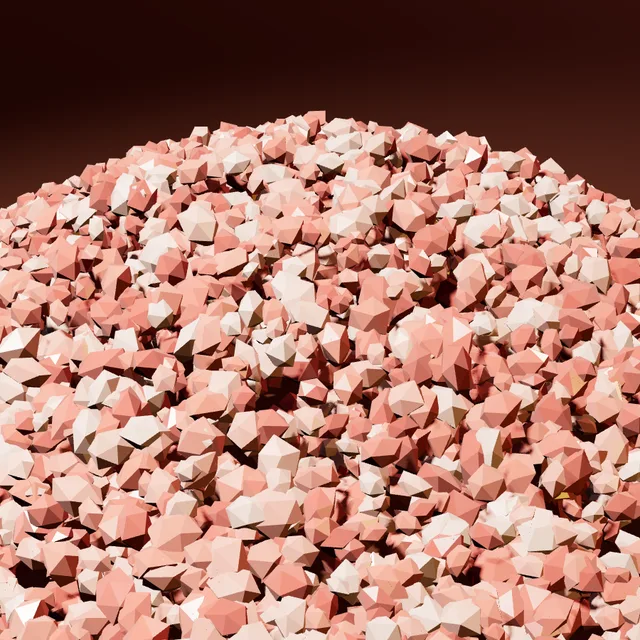
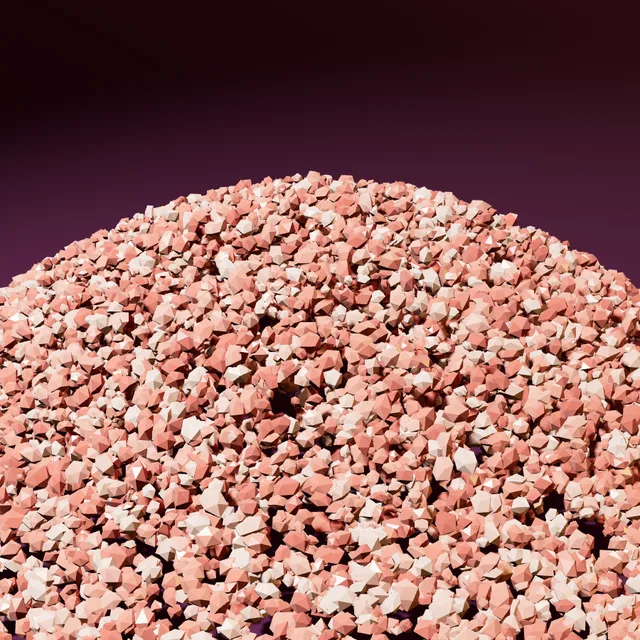
Himalayan pink salt is rock salt from the hills of Punjab, Pakistan, most famously from the Khewra mine. It is about 96–99% sodium chloride. The rest is small amounts of other minerals, and the pale-to-deep pink comes from traces of iron oxide. Nothing is added to make it pink. We explain the colour in Why is Himalayan salt pink?
Pink curing salt is a manufactured mix used to cure meat. The most common kind in the US, sold as Prague Powder #1, Insta Cure #1 or simply "cure #1", is about 93.75% salt and 6.25% sodium nitrite. A second kind, cure #2, also contains sodium nitrate and is used for long, slow dry curing like salami and country ham. Makers colour these mixes pink with a food dye, which is the reason for the confusion. The dye is there so that nobody sprinkles it on their dinner by mistake. Wikipedia's curing salt page gives a good overview.
In Germany and much of Europe you'll also see nitrite curing salt (Nitritpökelsalz), which is usually white and much weaker, well under 1% nitrite. Recipes from different countries are not interchangeable, so always use the cure the recipe was written for.
How to tell them apart in the shop
- Read the ingredients. Himalayan salt lists one thing: salt (sometimes "Himalayan pink salt" or "rock salt"). Curing salt lists sodium nitrite, and often a colouring.
- Look at the colour. Curing salt is an even, bright, almost candy pink. Natural pink salt varies, with paler and darker grains mixed together and some nearly white.
- Check the shelf. Curing salt is usually sold in small packs near the butchery supplies or sausage casings, not in the spice aisle, and often with a warning on the label.
- Check the name. "Prague powder", "Insta Cure", "cure #1", "cure #2" and "pink curing salt" all mean the nitrite product.
If a pack of "pink salt" doesn't say where it was mined and lists only salt, it is a rock salt. Our guide to spotting real Himalayan salt covers the other checks worth making.
What curing salt actually does
Curing is how people have kept meat for centuries. Salt alone draws out moisture and slows bacteria. Nitrite does three extra jobs. It gives cured meat its rosy colour and its "cured" flavour, the difference between ham and roast pork. Most importantly, it protects against Clostridium botulinum, the bacterium behind botulism, which can grow in the low-oxygen conditions inside a sausage or a slow-smoked ham.
That is why food-safety guidance for smoked sausages, bacon and dry-cured meats insists on a measured amount of nitrite cure. The US Department of Agriculture sets limits on how much nitrite commercial products may contain, and its guide to cured meat operations shows how carefully the amounts are controlled. At home, the rule is to weigh the meat, weigh the cure and follow the recipe's ratio exactly.
Why you can't swap them
Himalayan salt in place of curing salt. You'll get salted meat, not cured meat. For a fresh product cooked right away, like a dry-brined chicken or a salted pork chop, that's fine. For anything that will be smoked low and slow, hung to dry, or kept for weeks, leaving out the nitrite removes the main protection against botulism. Don't do it.
Curing salt in place of Himalayan salt. This is the dangerous direction. Curing salt is meant to be used in tiny, measured amounts. Seasoning food with it the way you would with ordinary salt could give a harmful dose of nitrite. Keep it labelled, sealed, and away from the everyday salt jar, and out of reach of children.
Where Himalayan salt does belong in meat cooking
Plenty of meat dishes need only salt, and this is where pink salt earns its place.
- Dry brining. Salt a chicken or a leg of lamb the day before, about 1% of the meat's weight, and leave it uncovered in the fridge. The skin dries and crisps, and the seasoning goes all the way through.
- Wet brines. Coarse pink salt dissolves cleanly in water for a turkey or pork brine.
- Seekh and chapli kebabs. Fine pink salt mixes evenly through minced meat with the spices.
- Finishing. A few coarse crystals on a sliced steak, straight from a grinder or crushed between your fingers.
- Salt blocks. Thin cuts seared on a hot slab, as in our guide to cooking on a salt block.
A simple rule for your kitchen
If a recipe says "pink salt" and involves curing, smoking or hanging meat, it wants curing salt. Buy it from a butchery supplier, keep it in its own clearly labelled container, and use it by weight.
If a recipe says "pink salt" and you're seasoning a dal, a salad or a steak, it means the rock salt, and our salt will do nicely. When in doubt, ask the person who wrote the recipe. A good recipe writer will be glad you did.
For the full picture on what is in our salt, see The Salt.