A good salt grinder is one of the cheapest upgrades a kitchen can have. Freshly cracked salt gives you control over size, from a dusting to a crunchy flake, and a grinder on the table looks better than a shaker. It also explains why people get attached to their salt mills and grumpy when they jam.
Most grinder problems come down to two things: the wrong mechanism for salt, and the wrong salt for the mechanism. Both are easy to fix.
Salt mill or pepper mill?
They look alike, but the insides differ. Pepper mills usually have steel burrs that cut and crack the peppercorn. Salt pulls moisture from the air, and salty damp steel rusts. A pepper mill used for salt will work for a while, then start to stain, stick and leave flecks in your food.
Salt mills use a ceramic mechanism, or sometimes stainless steel specially treated for salt. Ceramic is hard, doesn't corrode and handles the hardness of rock salt well. If the packaging doesn't say which, assume it's a pepper mill.
Inside, most mills use a cone that turns inside a ring, a design called a burr grinder. A screw or dial on the top or bottom moves the cone closer or further away, which sets the size of the grind.
Disposable grinders, the plastic ones sold already filled, usually have a simple plastic or ceramic top. Many can be refilled a few times if you can prise the top off gently, but they're not built to last.
Choosing the right crystal size
This is where most refill problems start.
- Too fine. Fine or extra fine salt flows straight through the mechanism, or packs into it and clogs. It's the wrong grade for a grinder. Keep it in a shaker or a salt pig instead.
- Too big. Chunks bigger than about 6–8 mm can wedge between the cone and the ring and stop the mill turning.
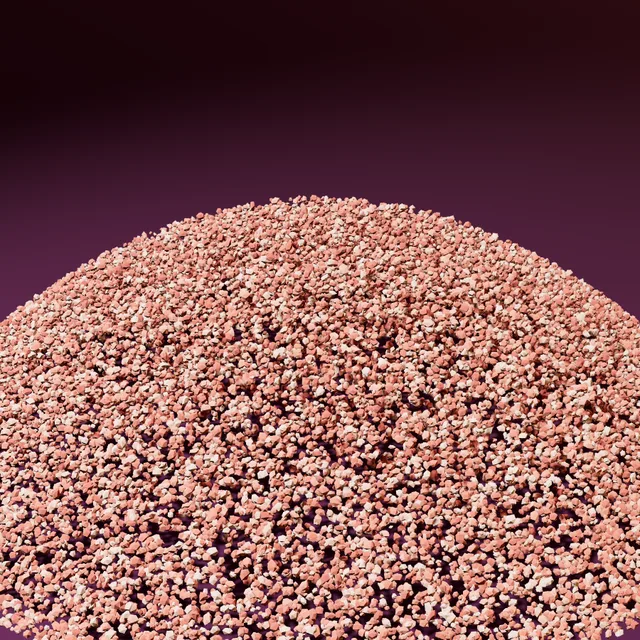
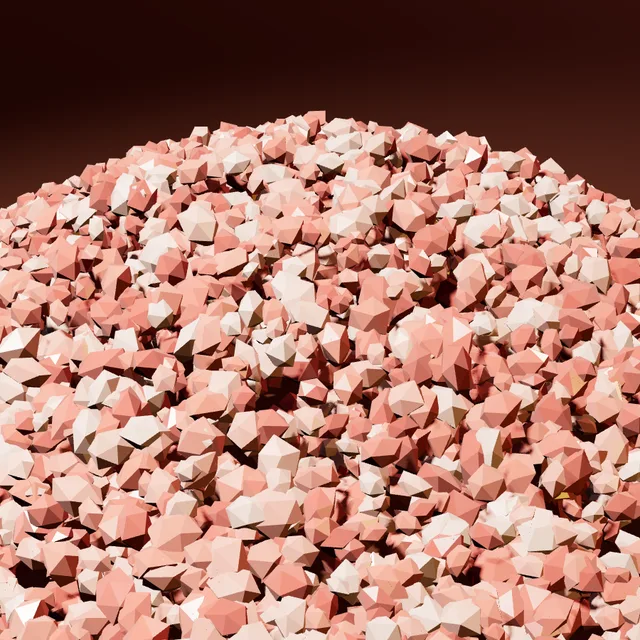
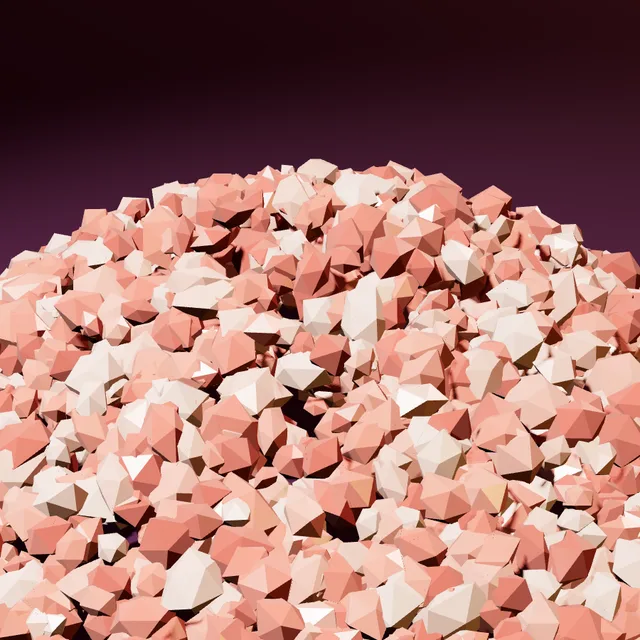
- Just right. Coarse crystals of roughly 2–5 mm. Our Coarse Crystals are screened to that size for this reason.
If you're not sure what grade you've bought, our guide to coarse, fine and extra fine explains the differences.
How to refill without mess
- Empty the old salt first, especially if it's been sitting a while. Old salt can absorb moisture and cake.
- Wipe the inside with a dry cloth. No water.
- Use a funnel or a folded sheet of paper. Coarse crystals bounce, and a few always escape across the worktop.
- Fill to about three quarters. Leave room so the salt can move freely around the mechanism.
- Grind a few turns over a plate before using it on food, to clear any dust from the first pass.
Do this over the sink or a tray, and you'll thank yourself later.
Setting the grind for the dish
The size of the grind changes how salty a dish tastes, even with the same weight of salt. Fine particles dissolve fast and spread evenly; coarse ones land as bright little hits.
- Fine setting: eggs, salads with dressing, soups and sauces at the last minute, popcorn.
- Medium: grilled vegetables, roast potatoes, fried fish, corn on the cob with lime and chilli.
- Coarse: a sliced steak, tomatoes on toast, chocolate desserts and caramel, where you want the crunch.
Turn the grinder over your hand once or twice before seasoning a plate, so you can see what you're getting.
When it jams or clumps
Salt grinders usually jam for one of three reasons.
Moisture. The most common one. Salt absorbs water from humid air, steam or wet hands, and the crystals stick together. In a humid summer, in Karachi or in Houston, it happens faster. Empty the mill, spread the salt on a tray to dry in a warm, dry spot (or a low oven for a few minutes), let the mill dry out too, and refill.
An oversized crystal. One large lump can wedge the cone. Loosen the setting to the coarsest position, turn it backwards a little, and tap it out.
Fine dust packed in the mechanism. Loosen the setting, run some coarse salt through, then tighten it again. A dry soft brush helps.
Never put a salt mill in the dishwasher or under the tap. If the outside needs cleaning, wipe it with a damp cloth and dry it straight away.
Looking after it
- Keep it away from the kettle, the stove and the sink.
- Grind onto food from a little height, not directly over a steaming pot, where steam can rise into the mechanism.
- Store it upright, so loose dust doesn't sit in the burrs.
- If you have a separate pepper mill, mark them clearly. It's an easy mistake at the table.
A ceramic salt mill filled with coarse pink salt will last for years with almost no attention. If yours keeps jamming whatever you do, it's probably a pepper mill in disguise. For more on why the salt in it looks the way it does, see Why is Himalayan salt pink?, and for where it comes from, The Salt.