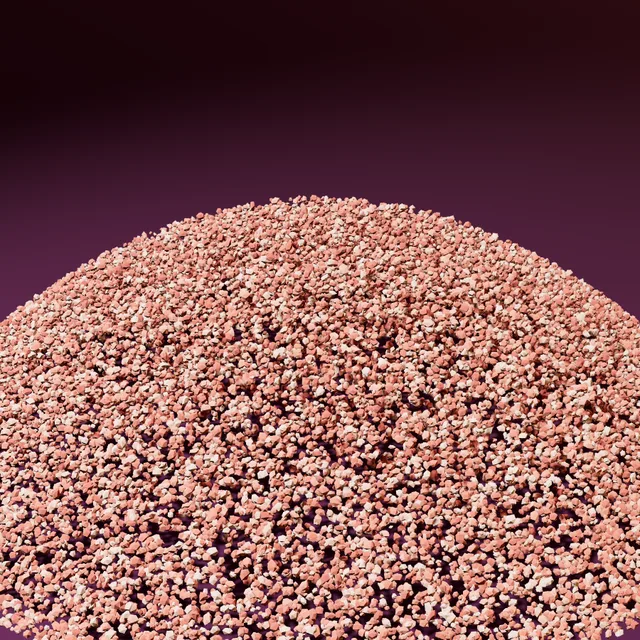
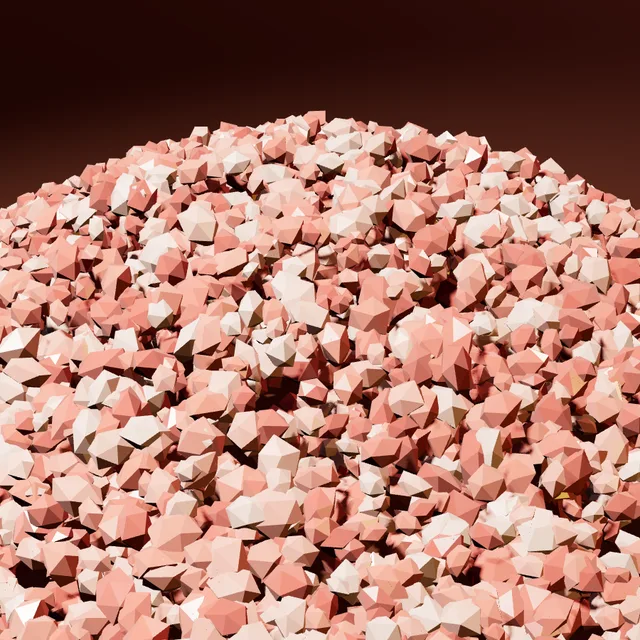
In much of the world, the pink salt from the Salt Range is sold as "Himalayan salt". In Pakistan, it had other names long before that label reached supermarket shelves in London or Los Angeles. Ask for lahori namak at a kiryana store in Rawalpindi and you'll be handed a pack of pink salt, or, in some shops, a rough pink rock wrapped in paper.
The names can be confusing, especially if you shop in both Pakistani and Indian stores in the US. Here's what each one means.
Lahori namak
Namak is salt in Urdu, Hindi and Persian. Lahori means "from Lahore". The salt has never been mined in Lahore, which sits on the plains about 160 km from Khewra, so the name almost certainly comes from trade: for centuries Lahore was the great market city of the Punjab, and goods passing through it took its name. You'll hear similar explanations from shopkeepers on both sides of the border, though nobody has a document to prove it.
In Pakistani homes, lahori namak is the salt grandmothers keep for particular jobs. In many kitchens it lives in a separate jar from the white iodised salt used for everyday cooking.
Sendha namak
Sendha is usually traced to the Sanskrit saindhava, meaning "from Sindhu", the old name for the Indus and the lands around it. So the name points back toward the Indus region too.
In India and among Hindu families in Pakistan and abroad, sendha namak has a special place. During fasts such as Navratri and Ekadashi, many households avoid ordinary processed table salt and use only sendha namak, because rock salt is seen as pure and unprocessed. If you've been to an Indian grocery in New Jersey or Houston in October, you'll have seen it stacked high at the front.
In everyday Pakistani speech, sendha namak and lahori namak are used for the same thing. Both mean the pink rock salt of the Salt Range.
Gulabi namak and Himalayan salt
Gulab is a rose, so gulabi namak is literally "rose-coloured salt": pink salt. You'll see it on packs aimed at younger, city shoppers, often next to the English "Himalayan pink salt".
"Himalayan" is the name the rest of the world uses. It is a stretch of geography, because the Salt Range is a line of low hills well south of the high Himalaya, but geologists do count it as the southern edge of the Himalayan ranges. We explain where the salt really comes from in our article on the Khewra Salt Mine, and on The Salt page.
Kala namak is something else
This is the one that catches people out. Kala namak, black salt, is sold as dark purple-brown lumps or a pinkish-grey powder. It starts as rock salt, but it is then heated in a furnace with charcoal and plant ingredients such as the seeds of the harad tree. The process creates sulfur compounds that give it a smell of hard-boiled eggs.
That smell is exactly why people love it. Kala namak is the backbone of chaat masala, the tang in fruit chaat, the sharpness in jaljeera and the reason a plate of dahi bhalle tastes the way it does. It is not interchangeable with lahori namak, and a recipe that wants one won't taste right with the other.
So: pink rock salt is lahori, sendha or gulabi namak. Black, eggy salt is kala namak.
How pink salt is used in Pakistani kitchens
Most families use iodised table salt for everyday cooking, and that's sensible, since it's an easy source of iodine (more on that in Is Himalayan salt iodised?). Lahori namak tends to come out for particular dishes and habits.
- Namkeen lassi. Yoghurt whisked with water, a pinch of pink salt and roasted cumin. Pink salt gives a softer, rounder saltiness than table salt.
- Raita and chutneys. Mint raita, imli ki chutney and a quick tomato and onion salad, salted at the table.
- Bhutta. Corn roasted over coals on a street cart, rubbed with a cut lime dipped in salt and red chilli. A winter evening in Lahore smells of it.
- Kebabs and tikka. Fine pink salt mixed into seekh kebab mince or rubbed onto chicken tikka before the grill.
- Fruit. Guava, green mango and watermelon with a pinch of salt and chilli.
- Achar. Some cooks prefer rock salt for pickles because it has no anti-caking agent.
- The salt rock. In older homes, a lump of lahori namak sits in a bowl and is broken with a pestle or a small hammer as needed. In villages across Punjab, a bigger rock hangs in the cattle shed as a lick for the animals.
If you're cooking these dishes in the US, our guide to grades will help you pick fine or coarse for each.
Salt in the language
Salt runs deep in Urdu and Punjabi. To have eaten someone's salt, kisi ka namak khana, means to have accepted their hospitality and owe them loyalty. A namak halal person is faithful; a namak haram is a traitor who betrayed the one who fed them. Zakhmon par namak chhidakna, sprinkling salt on wounds, means much what it does in English.
These sayings come from a time when salt was valuable and shared salt meant a bond. We like that. It's one of the reasons we wanted to put a name and a story on our packs, rather than sell salt as a nameless commodity.
What to look for on the pack
Whatever name it goes by, good pink salt should tell you where it was mined, who packed it, and carry a lot code. Lahori namak sold loose in markets is usually genuine rock salt, but quality varies, and some contains more clay and grit than you'd want. If you want to know more about what separates good salt from poor, see How to tell real Himalayan salt from fake. And if you'd like the legend behind our own name, read Did Alexander the Great discover Himalayan salt?